
352.204.0094
[gtranslate]

Diet absolutely changes how fast your face shows time, but it does not work like a magic eraser. It works like a long‑game construction crew that either rebuilds or erodes your skin from the inside out.
Your plate drives the two forces that matter most for visible aging: how hard you hit your collagen with sugar‑driven glycation and inflammation, and how much antioxidant, protein, and healthy fat support you give your repair systems.
When you treat food as daily scaffolding, you stop thinking in superfoods and start thinking in structures — fewer cross‑linked collagen fibers, calmer blood sugar swings, quieter immune signaling, and a barrier that actually holds water instead of leaking it away.
In the rest of this guide, you will see how specific foods, diet patterns, and smart lab‑backed tweaks either slow that internal wear‑and‑tear on your skin or quietly push your wrinkles into fast‑forward.
TL;DR: Diet Influences Repair Capacity
- UV rays provide the external damage, but your diet determines your internal repair budget — the biological capacity of your cells to rebuild the collagen and elastin that environmental stressors destroy.
- Chronic sugar consumption creates Advanced Glycation End-products (AGEs) that “cross-link” and stiffen your collagen fibers, turning your skin’s elastic support system into a brittle, sagging structure.
- You can reverse “micro-aging” and dullness by shifting your biochemistry toward an anti-inflammatory, low-insulinemic state over a 90-day cycle.
- Precision anti-aging requires a “High-Cofactor” diet rich in Vitamin C, Zinc, and Copper to fuel fibroblast activity, paired with high-dose carotenoids that serve as a systemic shield against DNA damage.
- While ketosis is a potent tool for lowering glycation-driven aging, a clean keto approach is mandatory to avoid the sallow, oxidative-heavy complexion associated with high-processed fat intake.
What Actually Ages Your Skin Before Food Enters the Picture?
Most of what ages your skin comes from the outside (extrinsic factors), not your birthday candles. UV light, polluted air, stress, and sleep debt all hit your collagen long before diet steps in to help or hurt.
1. UV Radiation Drives Most Visible Aging
UV accounts for roughly 80% of visible facial aging, including wrinkles, spots, and rough texture. Sunlight breaks collagen and elastin and drives chronic oxidative stress, which sets the baseline damage your skin has to repair each day.
2. Pollution Piles on Oxidative Stress
Urban air and traffic fumes add extra free radicals and particles that cling to the skin and trigger more inflammation and pigment changes. This external smog load pushes your repair systems harder, especially when you spend long days in the city.
3. Stress Keeps Inflammation Switched on
Chronic stress elevates cortisol, which slows down repair, impairs barrier function, and can thin the skin over time. You feel it as dullness, slower healing, or flares of redness and breakouts that never fully settle.
4. Poor Sleep Blocks Nightly Repair
Short or disrupted sleep cuts into the hormonal pulses that drive collagen renewal and antioxidant cleanup at night. Micro‑damage that should clear while you sleep starts to accumulate instead, so fine lines and rough patches set in faster.
Diet will not erase these hits, but it decides how well your skin absorbs them: either each day’s damage leaves a faint mark or a deep groove over time.

How Does Diet Speed Up or Slow Down Skin Aging?
Diet pushes your skin in only two directions: faster breakdown or slower, cleaner repair. The way you handle sugar, antioxidants, and industrial fats decides whether your collagen quietly caramelizes, your cells slowly rust, or your barrier stays calm and intact.
Glycation: When Sugar Caramelizes Your Collagen (Faster Breakdown)
Every time blood sugar spikes, some of that sugar latches onto proteins like collagen and elastin and forms advanced glycation end products. Just like a slow caramel coating that makes fibers stiff, brittle, and prone to cracking.
High‑glycemic, ultra‑processed eating (sweet drinks, white breads, pastries, frequent desserts) drives more of these “sugar cross‑links,” so fine lines deepen into set wrinkles faster, and skin loses its spring.
Inflammaging: When Processed Fats Attack Your Barrier (Faster Breakdown)
Highly processed seed oils and fast‑food fats tilt your system toward chronic, low‑grade inflammation — the kind that never screams but constantly whispers, “break down more, repair less.”
Over time, that inflammatory noise weakens the skin’s lipid barrier, so you lose moisture faster, irritation shows up easier, and the surface looks thinner and more creased, even if you moisturize.
Low‑glycemic Eating: When Steady Blood Sugar Slows Glycation (Slower Breakdown)
When you center meals on fiber‑rich vegetables, intact whole grains, lean protein, and healthy fats, you flatten those sugar spikes and cut down the raw material for glycation.
Lower‑glycemic patterns and reduced intake of dietary Advanced Glycation End-products (AGEs) from fried, grilled, and heavily processed foods associate with less collagen cross‑linking and slower visible skin aging.
Oxidative Stress: When Cells Start to Rust (Slow Repair)
Normal metabolism and UV exposure produce free radicals — unstable molecules that hit cell membranes, collagen, and DNA like tiny sparks.
Without enough antioxidants, those sparks land and leave burn marks.
Diets light on colorful plants and heavy on fried and processed foods strip away antioxidant defenses, so your skin experiences more “cellular rust”: dullness, rough texture, and a harder time bouncing back after sun, stress, or lack of sleep.
Antioxidants and Polyphenols: When Plants Act as Your Internal Fire Crew (Faster Repair)
When you load your plate with carotenoid‑rich fruits and vegetables, vitamin C sources, polyphenol‑dense teas and cocoa, and nuts and seeds, you give skin a standing fire crew to quench those sparks.
Clinical trials show that antioxidant and polyphenol‑rich interventions improve elasticity, redness, pigment spots, and barrier integrity, which translates into smoother, calmer, more resilient skin over time.
Omega‑3s and Whole‑food Fats: When Better Lipids Calm Inflammaging (Faster Repair)
When you shift toward omega‑3‑rich fish, nuts, seeds, olive oil, and other minimally processed fats, you change the signals your immune system sends through your skin.
Reviews of dietary interventions show that better lipid profiles and anti‑inflammatory fat patterns support elasticity, hydration, and barrier function, so skin holds onto water, handles stress better, and shows slower structural aging.
What is the Most Anti-Aging Diet for Your Skin?
The most anti‑aging diet for your skin behaves like a checklist. It keeps blood sugar steady, floods your system with micronutrients, and feeds collagen exactly what it needs to repair.
1. Keeps Blood Sugar Steady (Low Glycemic Load)
A skin‑first pattern avoids big glucose spikes by centering meals on fiber‑rich vegetables, intact whole grains, legumes, and slow‑burn carbs instead of white breads, sweets, and sugary drinks. This lowers glycation and reduces advanced glycation end products that stiffen collagen and speed wrinkle formation.
Examples of lower‑GI, skin‑friendly carbs:
- Steel‑cut or rolled oats
- Brown or red rice, quinoa, barley
- Beans, lentils, chickpeas
- Sweet potatoes with skin
- Whole‑grain, seeded breads (in moderation)
2. Delivers High Nutrient Density Per Bite
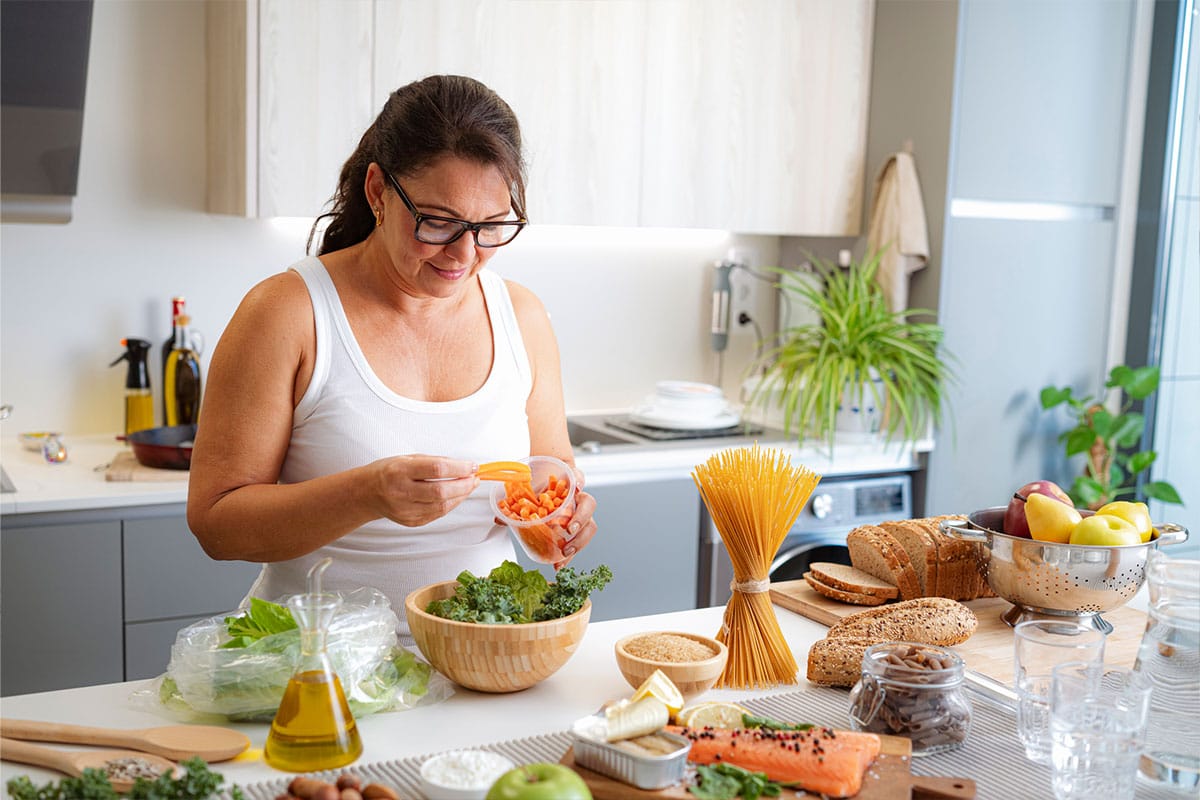
Every plate leans heavy on color — deep greens, oranges, reds, purples — to pack in carotenoids, polyphenols, and vitamin C without excess empty calories. Nutrient‑dense, plant‑forward patterns correlate with fewer clinical signs of skin aging and better overall skin appearance.
Examples of high‑nutrient‑density foods:
- Leafy greens (kale, spinach, malunggay)
- Crucifers (broccoli, cauliflower, bok choy)
- Berries (blueberries, strawberries)
- Tomatoes, carrots, squash
- Citrus fruits, kiwi, papaya, guava
3. Provides Enough Quality Protein for Repair
Daily intake includes adequate total protein spaced across meals, with sources like fish, eggs, poultry, lean meats, legumes, and collagen‑rich foods. This supplies amino acids such as glycine and proline that dermal tissue needs for collagen synthesis and structural repair.
Examples of skin‑supportive protein sources:
- Fatty fish (salmon, sardines, mackerel)
- Eggs
- Chicken, turkey, lean beef or pork
- Lentils, chickpeas, tofu, tempeh
- Bone broth or collagen‑containing cuts (shank, oxtail)
4. Uses Healthy Fats to Support the Lipid Barrier
Fats come mainly from omega‑3‑rich fish, nuts, seeds, and minimally processed oils like extra‑virgin olive oil instead of deep‑fried foods and industrial seed‑oil heavy fast food. Anti‑inflammatory fat patterns support elasticity, hydration, and barrier function, while pro‑inflammatory fats push “inflammaging.”
Examples of healthy, barrier‑supportive fats:
- Fatty fish (salmon, sardines, bangus)
- Walnuts, almonds, cashews
- Flax, chia, sesame, sunflower seeds
- Extra‑virgin olive oil, avocado oil
- Whole avocados
5. Supplies the Collagen Cofactors (Vitamin C, Zinc, Copper)
Regular rotation of citrus, berries, leafy greens, shellfish, meats, seeds, and nuts ensures vitamin C, zinc, and copper stay available for collagen assembly and cross‑linking.
These micronutrients act as cofactors in collagen synthesis and help keep the dermal matrix stronger and more resilient.
Examples of cofactor‑rich foods:
- Vitamin C: citrus, berries, bell peppers, broccoli, papaya, guava
- Zinc: oysters, crab, beef, pumpkin seeds, beans
- Copper: shellfish, organ meats, cashews, sunflower seeds, cocoa
6. Loads Up on Antioxidants and Polyphenols
Daily habits layer in green or black tea, cocoa, herbs, spices, and deeply colored produce to provide polyphenols and carotenoids that quench free radicals.
Interventions with antioxidant‑rich diets and supplements show improvements in wrinkles, elasticity, redness, pigment spots, and barrier integrity.
Examples of antioxidant‑dense choices:
- Green tea, black tea
- Dark chocolate or cocoa (minimally sweetened)
- Berries, cherries, grapes
- Tomatoes, leafy greens, carrots
- Turmeric, ginger, rosemary, oregano
7. Minimizes Ultra‑Processed, High‑AGE Foods
The pattern keeps fried, grilled, heavily processed meats, packaged snacks, and fast food as occasional rather than default choices.
Lower intake of dietary AGEs from these foods aligns with less collagen cross‑linking and slower visible skin aging.
Examples of foods to keep occasional, not daily:
- Deep‑fried fast foods and breaded items
- Processed meats (hotdogs, bacon, sausages)
- Sugary breakfast cereals, pastries, donuts
- Chips, instant noodles, packaged snack cakes
- Very well‑done or charred meats
8. Adapts to You Instead of Forcing a Label
Whether it looks Mediterranean, Asian, or mixed on the plate, the core stays the same: low glycemic load, high nutrient density, strong antioxidant and micronutrient coverage, and fats that calm rather than inflame. That flexible, skin‑literate metabolic state — not the marketing name of the diet — is what slows visible aging over decades.
Examples of how this flexes in real life:
- Japanese‑leaning plate: grilled salmon, small bowl of rice, miso soup, seaweed salad, and a side of pickled vegetables
- Mediterranean‑style plate: salmon, quinoa, mixed salad with olive oil
- Plant‑forward plate: lentil stew, sautéed greens, roasted vegetables, avocado slices
What Are the 10 Anti-Wrinkle Foods You Can Eat This Week?
Diet gives you levers you can actually put on a plate, so this section should feel like a grocery list with a lab report behind it.
1. Wild Salmon (Omega‑3s and Astaxanthin)
Biological why: Fatty fish provide omega‑3s that calm inflammation and support the lipid barrier, which improves elasticity and hydration, while carotenoids like astaxanthin add antioxidant protection.
Healthiest way to prepare it: Bake or grill on medium heat with a light coating of olive oil and herbs instead of deep‑frying to preserve fats and avoid extra dietary AGEs from high‑temperature oil.
2. Sardines or Mackerel (Omega‑3s and Vitamin D)
Biological why: Small oily fish deliver dense omega‑3s, vitamin D, and protein in one shot, all of which support barrier function and dermal structure.
Healthiest way to enjoy it: Choose canned in water or olive oil, drain, and add to salads, rice bowls, or avocado toast so you skip the extra oxidized oils that come with frying.
3. Tomatoes and Tomato Paste (Lycopene)
Biological why: Lycopene, the red carotenoid in tomatoes, helps buffer UV‑induced oxidative damage and supports smoother texture and more even tone.
Healthiest way to prepare it: Use tomato paste or slow‑cooked tomato sauce with a little olive oil — heat and fat increase lycopene bioavailability compared with raw tomatoes.
4. Blueberries and Mixed Berries (Anthocyanins and Vitamin C)
Biological why: Berries deliver anthocyanins and vitamin C that protect collagen from oxidative stress and may support more even tone and reduced redness.
Healthiest way to enjoy it: Eat them fresh or frozen, stirred into plain yogurt, chia pudding, or oats; keep added sugar low so you do not blunt the glycation benefit.
5. Leafy Greens (Vitamin C and Carotenoids)
Biological why: Spinach, kale, and similar greens provide vitamin C and carotenoids that support collagen synthesis and help buffer UV‑driven oxidative damage.
Healthiest way to prepare it: Lightly sauté or steam rather than boil to keep vitamins in the leaves, and pair with a bit of olive oil so fat‑soluble carotenoids absorb better.
6. Carrots and Orange Vegetables (Beta‑Carotene)
Biological why: Beta‑carotene converts to vitamin A and accumulates in the skin, where it supports repair and adds another antioxidant layer.
Healthiest way to enjoy it: Roast or steam carrots, squash, or sweet potatoes until just tender and drizzle with a small amount of healthy fat instead of deep‑frying.
7. Extra‑Virgin Olive Oil (Polyphenols and Monounsaturated Fat)
Biological why: Olive oil brings polyphenols that reduce oxidative stress and monounsaturated fat that supports barrier lipids and elasticity in Mediterranean‑style patterns.
Healthiest way to use it: Make it your default salad dressing and finishing oil, and cook on low‑to‑medium heat rather than using it for repeated high‑heat frying.
8. Nuts and Seeds (Vitamin E and Healthy Fats)
Biological why: Almonds, walnuts, flax, and chia deliver vitamin E, omega‑3s, and other lipids that protect cell membranes and support hydration and elasticity.
Healthiest way to enjoy it: Eat them raw or dry‑roasted and sprinkle over salads, yogurt, or vegetables; avoid heavily salted, sugar‑coated, or deep‑fried versions.
9. Bone Broth or Collagen‑rich Cuts (Collagen Peptides and Amino Acids)
Biological why: Collagen‑rich foods provide peptides and amino acids like glycine and proline that the body can use to support dermal collagen synthesis.
Healthiest way to prepare it: Slow‑cook or pressure‑cook bones and collagen‑rich cuts in water with vegetables rather than charring or frying, and pair the meal with vitamin C‑rich produce to support collagen assembly.
10. Green Tea and Cocoa (Polyphenols)
Biological why: Green tea catechins and cocoa flavanols have been shown to reduce oxidative stress, improve blood flow, and support elasticity and hydration in some trials.
Healthiest way to enjoy it: Drink green tea straight or lightly sweetened, and choose dark chocolate or cocoa with high cocoa content and minimal added sugar and dairy.

How Does the Ketogenic Diet Affect Skin Aging?
Keto changes your metabolic terrain in ways that can show up on your skin, but it never replaces a solid anti‑aging diet foundation.
When keto stays whole‑food (plenty of non‑starchy vegetables, quality protein, and cleaner fats), it can flatten glucose swings and calm some inflammation. It likely explains the keto glow and the acne and inflammatory skin improvements seen in small studies.
“Dirty” keto built on processed meats, industrial oils, and almost no plants pushes you back toward inflammaging, barrier stress, and breakouts. Emerging data suggests that long‑term strict keto may accelerate cellular aging in other organs, which undercuts any skin win.
So the verdict stays firm: keto is a targeted metabolic lever you might use short‑term for insulin resistance, weight, or select inflammatory skin conditions.
What Causes 90% of Skin Wrinkles?
Most of the wrinkles on your face come from the sun, not the calendar.
Photoaging data estimates that 80% of visible skin aging — lines, spots, and roughness — traces back to cumulative UV exposure rather than pages on a calendar.
UV light hits collagen and elastin directly, drives pigment changes, and floods skin with free radicals, which is why daily sunscreen, shade, and timing still sit above any diet or serum in the wrinkle hierarchy.
Diet cannot replace sunscreen, but it can change how hard each UV hit lands and how well you repair the damage.
High‑carotenoid, antioxidant‑rich eating — think tomatoes, carrots, leafy greens, and other deeply colored plants — builds up protective pigments and polyphenols in your skin.
Combined into an anti‑aging diet pattern, it creates a kind of “biological parasol” that blunts oxidative stress from incidental UV exposure and supports smoother texture over time.
How Much Can You Really Reverse Aging Skin With Diet?
Reversing skin aging is a game of biological remodeling.
To be an expert in your own skin health, you must distinguish between the “glow” of a hydrated barrier and the “density” of a repaired collagen matrix.
Diet changes your skin on two distinct speeds. Within 14 to 21 days, a low-insulinemic, high-antioxidant diet can reverse systemic inflammation and Transepidermal Water Loss (TEWL). You see this as a reduction in puffiness, a clearer complexion, and the disappearance of “micro-fine” dehydration lines.
However, reversing structural deep wrinkles requires a fundamental shift in the Extracellular Matrix (ECM). Because the turnover rate for deep dermal collagen is measured in months, not days, you must maintain a “High-Cofactor” diet for at least 3 to 6 months before you see a measurable change in skin turgor and structural elasticity.
If you get a high-end clinical treatment but have poor nutrient intake, your skin has nothing to build with. True reversal happens when you stack clinical signals with dietary substrate.
Yunique Medical: We Treat the System, Not Just the Surface
Skin aging never happens in isolation, so treatment should not stop at your moisturizer.
At Yunique Medical, skin health folds into a bigger Precision Longevity plan that looks at how your whole system ages — metabolism, hormones, inflammation, and cellular repair — not just what shows up around your eyes.
The process starts with data, not guesswork.
Your team reviews hormones, metabolic labs, micronutrient status, inflammatory markers, and even lifestyle patterns to map what drives your specific skin aging. From there, you do not just get a “diet” but a roadmap: targeted nutrition, precision supplementation, hormone optimization when appropriate, and coordinated in‑clinic treatments so your internal terrain and external therapies work in the same direction.
Our Services
We offer a wide range of services to support your wellness journey, including:
- Hormone Optimization
- Infusion Therapy
- Weight Loss Programs
- Cellular & Functional Medicine
- Precision Longevity
- HeartFit Program
- Sexual Enhancement
- Peptide Therapy
- HOCATT Biohacking
Our Locations
You can find us here:
- Port Orange, FL
- Lady Lake, FL (formerly Fruitland Park Office)
- Ocala, FL
If you want your skin plan to double as an aging‑well plan, the next step is Yunique Medical.
Bring your goals, your current routine, and your labs and build a skin‑first, system‑wide strategy that treats the cause, not just the surface.