352.204.0094
[gtranslate]

Weight loss should not cost you strength.
Tirzepatide improves physical function by clearing fat from within muscle fibers and lowering whole‑body inflammation, so weight loss translates into more power, cleaner joint mechanics, and better stamina instead of a smaller, weaker frame.
Recent 2025 analyses show that when you pair tirzepatide with structured resistance training, physical functioning scores and power‑to‑weight gains outpace what we see with traditional GLP‑1–only protocols.
You still need to meet the medication halfway.
Protein, resistance training, and recovery tell your body to keep the muscle you have and make better use of it while the drug helps clear excess fat and lower inflammation.
Here’s how tirzepatide actually works on muscle, movement, and performance — and how to use it without sacrificing strength.
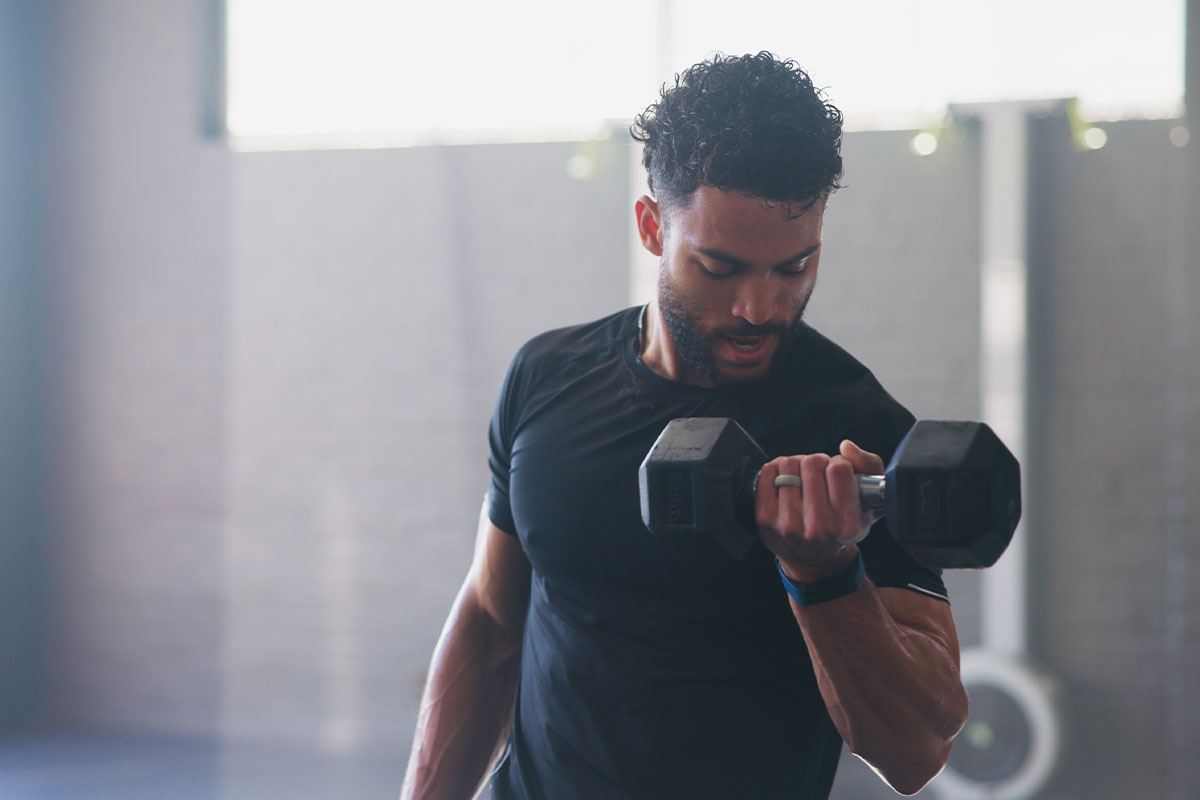
TL;DR: Tirzepatide Improves Physical Function by Reducing Muscle Fat and Systemic Inflammation
- Tirzepatide moves the needle from weight loss to physical agency, improving your ability to move, recover, and perform without the “heavy” feeling of metabolic dysfunction.
- It specifically targets myosteatosis (fat stored inside the muscle tissue) and lowers systemic inflammation (hsCRP), which restores joint mechanics and stamina often before significant weight is lost.
- 2025 data shows significant increases in Physical Functioning (PF) and Vitality scores, translating to measurable gains in walking speed, stair climbing, and daily output.
- To prevent the “skinny-fat” trap, the protocol must be paired with high protein (1.2–1.6 g/kg) and resistance training to ensure weight loss is 75%+ fat mass, preserving the functional lean tissue that drives performance.
What Does Tirzepatide Actually Change in Your Body?
Tirzepatide changes what your body is made of and how that tissue performs. It strips out a disproportionate amount of fat — including the fat packed around your organs and inside your muscles — while your lean mass tracks more proportionally with total weight loss.
It drives weight loss from fat, not just “mass”
In SURMOUNT‑1 body‑composition substudies, about 75% of the weight lost on tirzepatide came from fat mass and about 25% from lean mass, even as people dropped far more total weight than with lifestyle changes alone.
That fat loss hit visceral stores and waist circumference especially hard, which means less dead weight for your heart, joints, and muscles to carry with every step, stair, and sprint.
It cleans up muscle quality instead of just shrinking it
Myosteatosis — fat inside the muscle, not just on top — behaves like dirty oil in an engine and quietly drains strength, gait speed, and metabolic health even when muscle size looks “normal.”
In the SURPASS‑3 MRI work and follow‑up analyses, tirzepatide reduced muscle fat infiltration while fat‑free muscle volume fell in line with expected weight loss, which points to preserved contractile tissue and “cleaner” muscle that can actually produce more power per pound.

How Does Tirzepatide Improve Physical Function?
Tirzepatide improves physical function by improving your power‑to‑weight ratio, cleaning up muscle quality, and lowering the inflammatory load that makes movement feel heavier than it should.
1. Tirzepatide raises measured physical functioning, not just drops weight
Trials that use the SF‑36v2 questionnaire show that tirzepatide improves the Physical Functioning domain and the Physical Component Summary (PCS) score, especially at higher doses and in people who start with more limitations.
- Researchers use the SF-36v2 (Short Form Health Survey) to measure how your health limits daily physical activities like lifting groceries, walking with neighbors, or climbing stairs.
- The Physical Component Summary (PCS) acts as a consolidated “grade” of your overall physical capability, aggregating scores from mobility, pain, and general health.
That translates into concrete gains: climbing stairs with less effort, carrying bags farther, and getting through long, meeting‑packed days without the same physical cost.
2. Tirzepatide improves vitality, pain, and day-long capacity
Across the SURMOUNT program, tirzepatide improves Vitality, Bodily Pain, and General Health scores alongside physical functioning, so people report more energy, less pain, and a stronger sense of what their body can do.
In practice, that shift looks like fewer “wrecked by 3 p.m.” afternoons, more room for evening training or family time, and a body that finally keeps pace with a high‑pressure schedule.
3. Tirzepatide reduces inflammatory load before major weight loss
Obesity locks the body in low‑grade inflammation, with cytokines and markers such as hsCRP and IL‑6 stiffening joints, slowing recovery, and creating “hungover without drinking” fatigue.
A 2025 meta‑analysis found tirzepatide cut hsCRP by roughly 30–35% and IL‑6 by about 15–20% versus placebo across doses, with significant shifts already evident at 5 mg and strengthening at 10–15 mg.
Early drops in these markers line up with what patients notice in the first weeks of a well‑run protocol: looser joints, smoother walking, and non‑scale victories that confirm the drug is changing internal stress, not just the number on the scale.
What Does This Mean for Muscle and Body Composition?
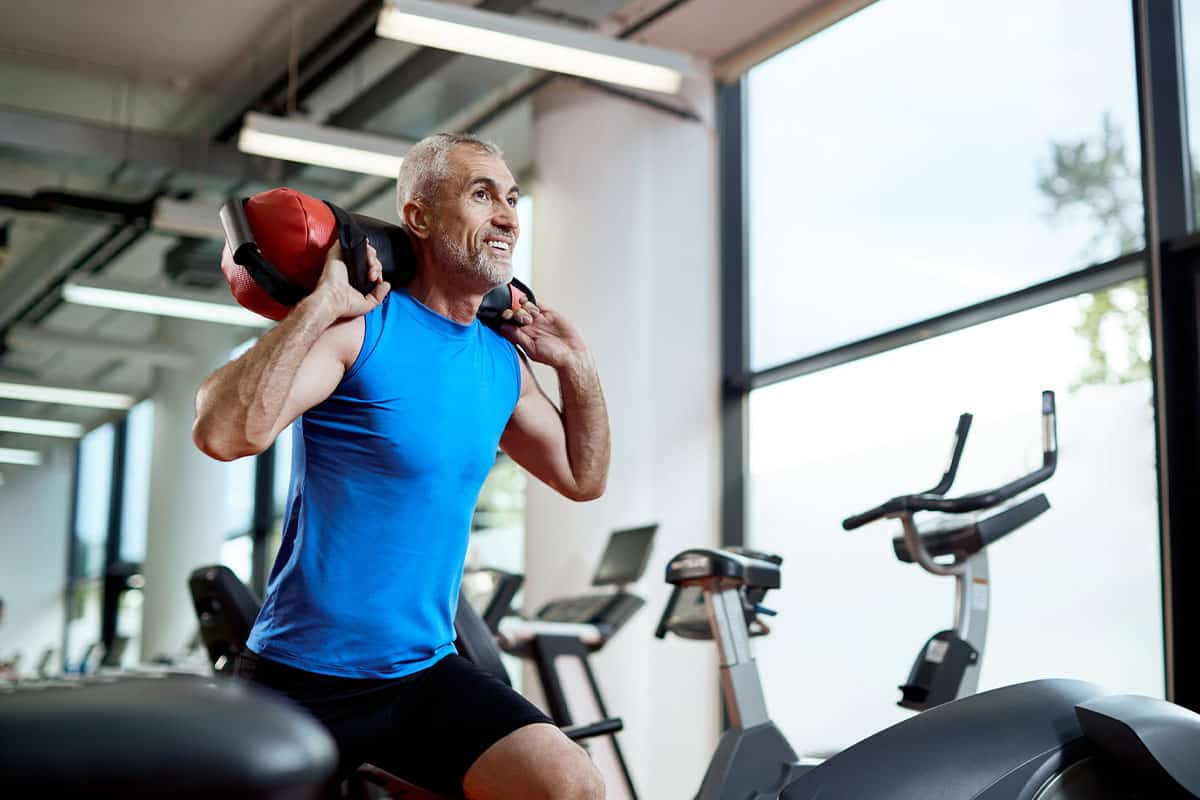
Tirzepatide makes fat loss easier and muscle retention more realistic when you feed and load the muscle on purpose.
In SURMOUNT‑1 DXA data, roughly 75% of the weight lost on tirzepatide came from fat mass and about 25% from lean mass, even at ~21% total weight loss.
And systematic reviews show relative preservation of skeletal muscle and appendicular lean mass when compared with the size of the deficit.
High performers feel that as bar speeds and rep counts staying stable while waist, visceral fat, and “soft” tissue around joints shrink.
Standard Diet vs. Tirzepatide + Muscle‑first Protocol
Standard dieting usually asks your body to burn whatever it can reach — fat, yes, but also the muscle that carries you through your day. Tirzepatide, paired with a muscle‑first protocol, shifts that equation so most of the loss comes from fat while strength and stamina stay in play.
| Approach | Fat loss share | Muscle loss risk | Energy / hunger profile | How you feel day to day |
|---|---|---|---|---|
| Standard calorie-cut diet | Mixed fat and lean
Roughly 60–80% of loss from fat, the rest from muscle at aggressive deficits |
High, especially with low protein intake and no resistance training | Low energy, high hunger, frequent cravings and crashes | Lighter but weaker
“Skinny-fat” look, slower performance and recovery |
| Tirzepatide + Muscle-first | Mostly fat, with about 75% of loss from fat mass and 25% from lean mass, plus disproportionate visceral fat reduction | Lower when protein sits around 1.2–1.6 g/kg and lifting stays consistent | More stable energy, controlled appetite, easier adherence to training and nutrition targets | Leaner, stronger, better stamina
Body starts to match how hard you already train and live |
A standard calorie cut pulls from both fat and lean tissue, especially when protein runs low and lifting drops off, so you end up lighter but also weaker, hungrier, and closer to the “skinny‑fat” trap.
A tirzepatide + muscle-first protocol treats muscle as non‑negotiable: about three‑quarters of the loss comes from fat mass, visceral fat falls hard, and lean tissue tracks more proportionally, which means gym numbers, work capacity, and day‑to‑day stamina have room to hold or climb.
How Do You Prevent Muscle Loss on Tirzepatide?
Tirzepatide gives you room to lose a lot of fat, fast. But muscle still needs a clear signal to stay.
1. Eat like an athlete in a cut
Protein intake needs to sit in the 1.2–1.6 g/kg range to preserve lean tissue during GLP‑1 or GLP‑1/GIP–driven weight loss, not the usual 0.8 g/kg baseline.
Most clients hit this by building three to four protein “anchors” into the day — for example, 25–35 grams at breakfast, lunch, a pre‑ or post‑training meal, and an evening anchor that lands near the highest‑stress block of the day.
2. Lift heavy enough that your body respects your muscle
Weight‑loss drugs do not remove the need for load; they increase it.
GLP‑1–based weight loss can strip 20–40% of total loss from lean mass if you never pick up a weight, while resistance training at 2–3 sessions per week with compound lifts at roughly 65–80% of your max meaningfully bends that curve back toward muscle retention.
Squats, hinges, pushes, and pulls for 2–4 hard sets get the job done, with the last few reps landing in that challenging‑but‑controlled zone instead of drifting into sloppy form.
3. Guard recovery like a KPI
Recovery decides whether your body uses protein and training to rebuild muscle or treat both as extra stress.
Sleep windows that regularly drop under seven hours, poor hydration, and aggressive jumps in training volume on top of dose escalations all push you toward muscle loss, not muscle maintenance.
Clients who protect sleep, hydrate on purpose, and periodize training intensity around dose changes usually see better grip strength, faster 6‑minute walk times, and less DOMS creep — the objective signs that muscle is keeping up with the pace of fat loss.

Who Gets the Most Out of Performance‑Based Tirzepatide?
Performance‑based tirzepatide makes the most sense if you care about what your body can do over a full day — not just what the scale shows in the morning. SF‑36 and qualitative data both point to the same pattern: people with the most to gain in physical function and energy see the biggest upside when they treat this as a performance tool, not a vanity cut.
1. You push weekends hard and hate paying for it on Monday
If you load your weekends with golf, pickup basketball, long hikes, or tennis and then limp through Monday with sore knees and heavy legs, you sit in this lane.
Tirzepatide helps by lightening the load on joints and improving physical functioning and bodily pain scores, so you walk the back nine, climb hills, or chase kids without needing a full recovery day afterward.
2. You run on deadlines, flights, and back‑to‑back meetings
If your life looks like early flights, time‑zone shifts, stacked meetings, and leadership calls that never end on time, you need output, not just a smaller suit size.
Trials show gains in Vitality, General Health, and Role‑Physical scores, which matches what many patients describe: fewer mid‑afternoon crashes, more focus in late meetings, and enough left in the tank for an evening lift or walk instead of collapsing.
3. You do the work already but feel stuck in the same body
If you already lift, track, and “eat clean” yet sit parked at the same weight with stubborn fatigue and joints that complain after every session, you fall into the re‑set category.
Dual‑incretin therapy lowers inflammatory load, shifts more loss toward fat, and improves physical functioning, giving your training traction again — faster 6‑minute walk times, stronger grip, and visible progress in the mirror instead of another stalled block of effort.
Track Performance, Not Just Weight
Tirzepatide proves its value when fat loss shows up as more capacity, not just fewer pounds.
SURMOUNT‑5 and related trials report roughly 20% weight loss, major waist reductions, and meaningful gains in physical functioning and quality‑of‑life scores — especially in people who started with the lowest function.
Your job is to turn that biology into a better life by tracking metrics that actually describe performance: 6‑minute walk distance, flights of stairs before your legs fade, grip strength, and perceived effort on key workouts instead of only tracking what the bathroom scale says.
Yunique Medical: Muscle‑First, Function‑First Tirzepatide
Most clinics still chase a target weight when your life runs on target performance.
Yunique Medical builds care plans around muscle quality, physical function, and organ resilience as the primary KPIs, then treats scale weight as one readout among many.
Updated data on fat‑dominant weight loss, preserved lean proportions, improved muscle composition, and better kidney and cardiovascular markers guide how the team selects tools, stacks nutrition, and programs training, so every intervention supports a stronger, more durable body rather than a temporary cut.
Our Services
We offer a wide range of services to support your wellness journey, including:
- Hormone Optimization
- Infusion Therapy
- Weight Loss Programs
- Cellular & Functional Medicine
- Precision Longevity
- HeartFit Program
- Sexual Enhancement
- Peptide Therapy
- HOCATT Biohacking
Our Locations
You can find us here:
- Port Orange, FL
- Lady Lake, FL (formerly Fruitland Park Office)
- Ocala, FL
Book a consult with Yunique Medical and bring your real numbers — walking distance, strength, and day‑to‑day energy — so the team can build a muscle‑first, function‑first plan around you.